
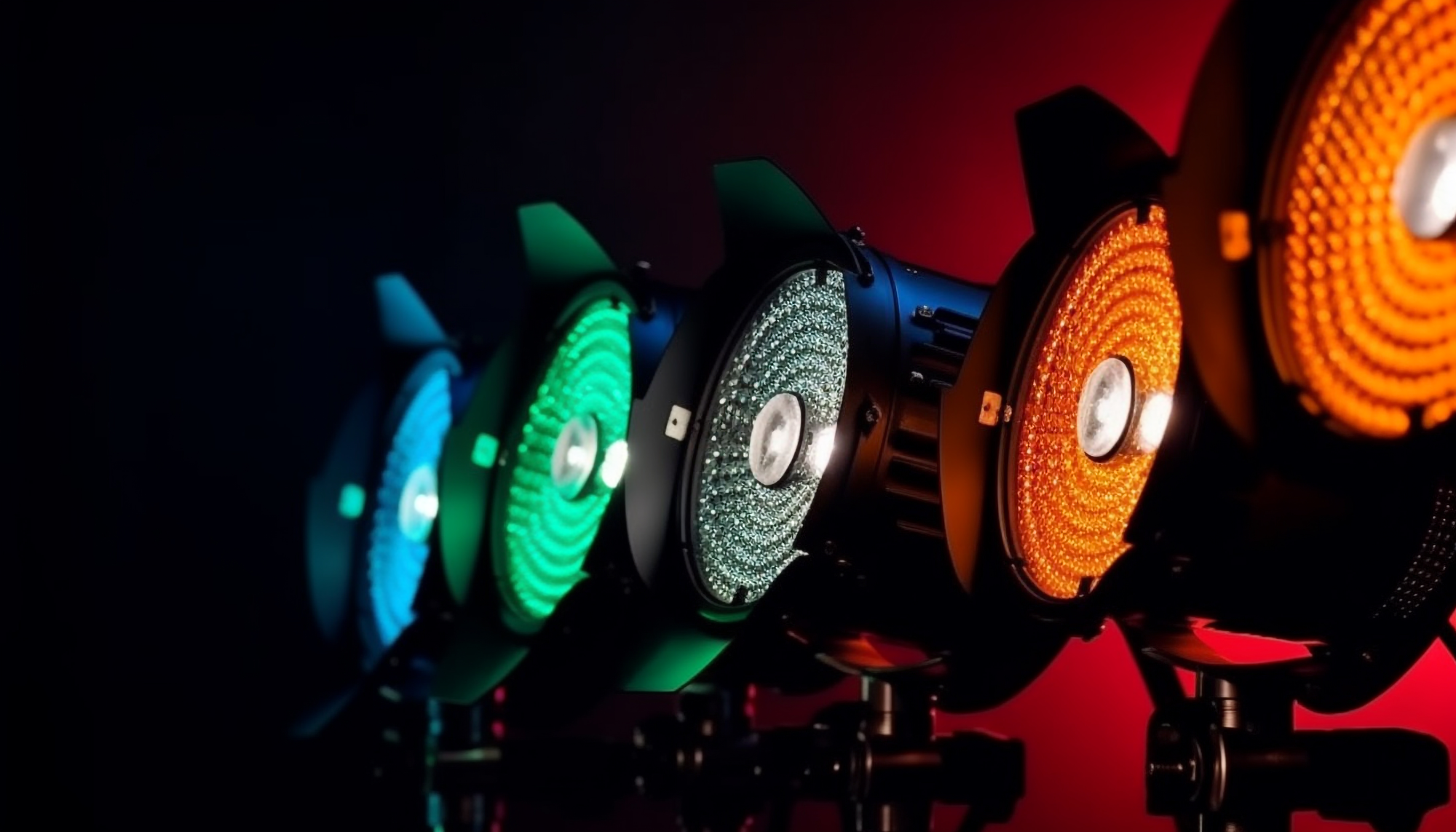
Lighting is a fundamental element of visual storytelling, shaping the mood, depth, and impact of a production. Whether you’re an experienced filmmaker or an aspiring cinematographer, knowing the distinctions between film studio lights and stage lighting is essential for achieving the best results. While both serve the purpose of illuminating a set, their design, function, and application vary significantly.
In this guide, we’ll explore what sets these two lighting types apart, their unique characteristics, and how they contribute to creating compelling visuals for both film and live performances.
Why Lighting Matters in Film and Stage Productions
Before diving into specifics, it’s important to understand why lighting is so crucial. It influences the tone, atmosphere, and emotional impact of a scene. Whether it’s a soft glow that enhances romance or a dramatic shadow that builds suspense, the right lighting choices can define the success of a production.
Film Studio Lights: Precision for Cinematic Excellence
Designed specifically for film and television, film studio lights offer enhanced control, flexibility, and intensity, allowing cinematographers to craft visually stunning scenes.
Key Features of Film Studio Lights:
✅ Adjustability – Fine-tune brightness, color temperature, and beam direction.
✅ High CRI (Color Rendering Index) – Ensures accurate colors for lifelike visuals.
✅ Soft & Hard Light Variability – Can create both diffused and focused lighting effects.
✅ Versatility – Used in different lighting setups like key lights, fill lights, and backlights.
Common Applications:
🎬 Film & TV Productions – From Hollywood movies to independent films.
📸 Photography Studios – Essential for professional, high-quality images.
🎭 Hybrid Productions – Films incorporating live performances or stage elements.
Stage Lighting: Enhancing Live Performances
Unlike film studio lights, stage lighting is built for live events, theater productions, and concerts, emphasizing real-time adjustments and dramatic effects.
Key Features of Stage Lighting:
✅ Dynamic Control – Adjusted live to suit different moments of a performance.
✅ Durability – Designed to withstand extended use in demanding environments.
✅ Visual Effects – Includes color gels, gobos, and automated controls for unique lighting effects.
✅ Broad Coverage – Often mounted on overhead grids or trusses for large-scale illumination.
Common Applications:
🎭 Theater Performances – From Broadway to local stage productions.
🎶 Concerts & Live Events – Music festivals, stage shows, and entertainment productions.
🏛️ Corporate & Public Events – Conferences, product launches, and ceremonies.
Film Studio Lights vs. Stage Lighting: A Quick Comparison
| Feature | Film Studio Lights 🎬 | Stage Lighting 🎭 |
|---|---|---|
| Primary Use | Film, TV, Photography | Live Theater, Concerts, Events |
| Control | Highly adjustable | Real-time modifications |
| Color Accuracy | High CRI for precise color representation | Focus on dramatic effects |
| Mounting | Stands, softboxes, rigs | Overhead trusses, grids |
| Durability | Engineered for precision | Built for long-term use |
Where Film and Stage Lighting Overlap
Although these lighting types are designed for different purposes, they sometimes intersect. Productions such as films featuring live performances or music videos with a stage setup often require a combination of both.
Achieving the perfect lighting balance requires careful planning and collaboration between cinematographers and lighting designers to ensure that each scene or performance is visually striking.
Final Thoughts
Both film studio lights and stage lighting play a crucial role in creating immersive visual experiences. Whether you’re working on a cinematic production or a live event, understanding their differences helps you make the best lighting choices for your project.
Lights, camera, action! Let your creative vision shine.